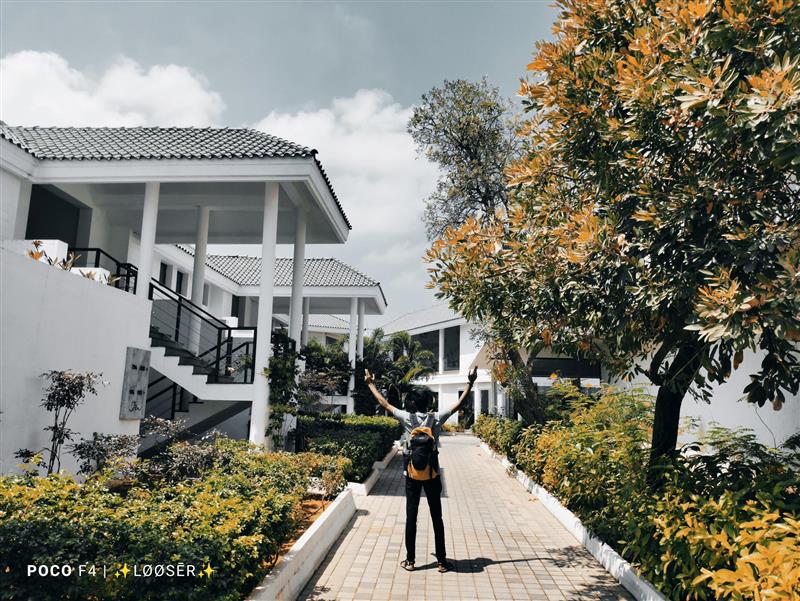
Three weeks ago a friend of mine sent me a photo from a cabin somewhere above 1,600 meters, no caption, just the mountains and a mug of coffee. I asked where she was. She said she honestly couldn’t tell me the name of the town, she’d booked it because of the view filter on a hotel site and just went. No ski gear. No itinerary. She stayed five days and came back saying it was the most rested she’d felt in years.
I’ve been running this blog long enough to notice when the same trip shows up in three unrelated conversations in one month. That’s usually the sign a trend is real and not just a headline someone in marketing invented. So I looked into it, and it turns out there’s already a name for what my friend did without realizing it. The travel industry is calling it Altitude Shift, and the numbers behind it are bigger than I expected when I started digging.
What the Altitude Shift Travel Trend Actually Means
Altitude Shift is the shift away from treating mountains as a winter only destination. It’s the growing habit of booking mountain trips in summer and autumn, not for skiing, but for the quiet, the cooler air, and the feeling of being somewhere high up and away from everything.
The term comes from Skyscanner’s Travel Trends 2026 report, which tracks major shifts in how people are booking travel each year. Altitude Shift was named as one of seven defining trends for 2026, and unlike a lot of travel buzzwords, this one is backed by actual booking data rather than a vibe someone noticed on social media.
The short version is this. Mountains used to be a place you went to do something. Now they’re becoming a place people go to do nothing, and that change is showing up clearly in how people search for and book their stays.
The Numbers Behind It
Here’s what’s actually driving this, because I think the stats explain the trend better than any description can.
Skyscanner reports that 76 percent of global travelers say they are either planning or seriously considering a mountain trip for summer or autumn 2026. That’s not a small niche of hikers and climbers, that’s the majority of travelers surveyed.
Even more telling, hotel bookings using the “room with a mountain view” filter are up 103 percent year over year, globally. People aren’t just going to the mountains, they’re specifically searching for and paying more to guarantee they can see them from bed.
This lines up with something else that’s been building for a couple of years now. Record heatwaves across the Mediterranean and parts of Southeast Asia have been pushing travelers to rethink where “hot weather season” travel even means. First that showed up as coolcations, choosing cooler countries or coastal regions instead of the usual sun soaked spots. Altitude Shift feels like the next stage of the same instinct, except instead of picking a cooler country, people are picking a higher one.
How Altitude Shift Is Different From a Coolcation or a Ski Trip
It’s easy to lump all mountain and cool weather travel together, so here’s how I’d actually separate them after reading through a stack of these trend reports.
A classic ski trip is seasonal by definition. You go in winter, you go for the slopes, and the whole trip is built around a schedule of lift tickets and lessons.
A coolcation is about escaping heat generally. It could be a coastal town in northern Europe, a mountain village, or just somewhere further from the equator than your usual summer spot. The common thread is temperature, not elevation.
Altitude Shift is specifically about being high up, and it isn’t tied to a season. Summer, autumn, even spring shoulder season trips all count, as long as the destination is a mountain region and the point of the trip is the quiet and the air rather than an activity on a schedule.
If I had to summarize it in one line, a ski trip is about what you do there, a coolcation is about escaping the heat, and Altitude Shift is about where you actually are.
Why This Is Happening Right Now
A few things are converging at once, and I think that’s why this trend has grown so fast rather than staying a small niche interest.
Summers keep getting hotter and longer, and traditional peak season destinations are more crowded and more expensive than they used to be. Mountain regions offer a natural escape from both problems at the same time, cooler temperatures and, outside of ski season, noticeably fewer people.
There’s also a broader shift toward slower, more restorative travel that we’ve written about before on this blog. People are tired of trips that feel like a checklist. A few days in a mountain cabin with no real plan fits that mood better than almost anything else you could book.
And practically speaking, shoulder season mountain travel tends to be a lot cheaper than peak summer coastal travel. Flights and accommodation both drop once the main ski or hiking season crowds thin out, which makes this trend appealing on a budget level too, not just an emotional one.
Where to Actually Go for an Altitude Shift Trip
I pulled together a list of the destinations coming up most often in the data and in conversations with other travelers who’ve already done this kind of trip.
The Dolomites, Italy
This is probably the trend’s home base. Jagged limestone peaks, alpine lakes, and small towns that empty out once the summer hikers leave. September and October are the sweet spot here, the larch trees turn gold, trails are quiet, and prices drop noticeably from the July and August rush.
The Canadian Rockies
Banff and Jasper in autumn are a completely different experience from the same towns in July. The elk come down into the valleys, the light gets that low gold color earlier in the day, and hotel rates that felt out of reach in summer suddenly become reasonable.
Georgia’s Caucasus Mountains
If you read our Georgia travel guide, you already know this region has been having a moment, and honestly the mountain villages of Kazbegi and Svaneti were doing Altitude Shift before anyone had a name for it. High, quiet, and still priced like a country most people haven’t discovered yet, which won’t last forever.
Hokkaido’s Highlands, Japan
We covered Furano’s lavender fields for their July color, but the same elevation and cooler air that make it a great summer escape also make it worth revisiting once autumn hits and the crowds thin out considerably.
The Annapurna Region, Nepal
For anyone who wants the trend in its purest form, teahouse trekking through Annapurna offers some of the clearest air and quietest trails on the planet, and lodges here are set up specifically for slower, multi day stays rather than a one night stopover.
The Pyrenees, France and Spain
Less crowded than the Alps and noticeably cheaper, the Pyrenees have quietly become a favorite for exactly this kind of trip. Small stone villages, good food, and mountain views without the price tag that comes with better known ranges.
Colorado’s High Country, USA
Towns like Crested Butte and Ouray see a completely different crowd in September than they do during ski season. Aspens turning color, hot springs without a wait, and hiking trails that were packed in July suddenly feeling like you have them to yourself.
Who This Kind of Trip Actually Suits
I’ll be honest, this isn’t for everyone, and that’s part of why it’s resonating with a specific type of traveler right now.
If your idea of a good trip involves a full schedule of activities booked in advance, this probably isn’t it. Altitude Shift trips work best for people who are genuinely comfortable with unstructured time, a good book, a slow morning, maybe one hike a day and nothing else planned.
It also suits people traveling on a tighter budget than peak summer allows, since shoulder season pricing in these regions can be dramatically lower than what you’d pay in July or during ski season.
And it works particularly well for anyone who’s already tired of the kind of trip built entirely around getting a good photo. There’s very little to perform here. Nobody’s mountain cabin trip is going viral, and that seems to be exactly the point for a lot of the people booking these.
Planning Your Own Altitude Shift Trip
A few practical things I’d think through before booking one of these.
Go in shoulder season if you can. Late September through November, and again in April through June, gets you the quiet, empty trail version of these places at noticeably better prices than peak season.
Budget a day to adjust if you’re going above roughly 2,500 meters. Headaches and fatigue from altitude are common and almost always avoidable if you don’t try to hike hard on your first day.
Pack in layers rather than relying on one heavy jacket. Mountain weather changes fast, and you can genuinely get all four seasons in a single afternoon at elevation.
Book somewhere with the view in mind, not as an afterthought. The whole trend is built around exactly this detail, so it’s worth prioritizing when you’re comparing places to stay.
Leave more open days than you think you need. The appeal here is the slowness, and overpacking the schedule defeats the purpose of the whole trip.
A Simple Five Day Altitude Shift Itinerary
If you want a starting point rather than planning from scratch, here’s roughly how I’d structure a first trip like this.
Day one, arrive and do nothing beyond a short walk near where you’re staying. Let your body adjust if you’re at real elevation.
Day two, one moderate hike, nothing extreme, just enough to see the surrounding valley or peaks properly.
Day three, a rest day. Read, eat well, maybe visit a nearby village rather than the trails.
Day four, a longer hike or a scenic drive if one is nearby, ideally timed for early morning or late afternoon light.
Day five, pack slowly, maybe one last short walk, and leave with actual downtime rather than rushing to the airport straight from a hike.
Frequently Asked Questions
Altitude Shift describes the rise in mountain and high elevation destinations as year round travel choices, rather than winter only ski destinations. It’s driven by travelers seeking cooler air, quieter trails, and a slower pace, and it applies to any season, not just winter.
Not quite. A coolcation is mainly about escaping heat, and can include coastal or northern destinations at any elevation. Altitude Shift is specifically about elevation itself, mountains and high ground, and it isn’t limited to summer.
Shoulder seasons, roughly September through November and April through June, offer the best combination of good weather, thinner crowds, and lower prices in most mountain regions.
The Dolomites, the Canadian Rockies, Georgia’s Caucasus region, Nepal’s Annapurna area, Japan’s Hokkaido highlands, the Pyrenees, and Colorado’s high country are all showing up repeatedly in current booking data and traveler reports.
No. Many Altitude Shift trips involve very light activity, short walks, and mostly rest. It’s less about serious trekking and more about spending time somewhere high up and quiet.
If you liked this, you might also want to read about Coolcations, our take on the Reality Trip trend, why Super September has become the industry’s favorite secret, and our full guide to slow travel, which shares a lot of the same philosophy as the trend above.