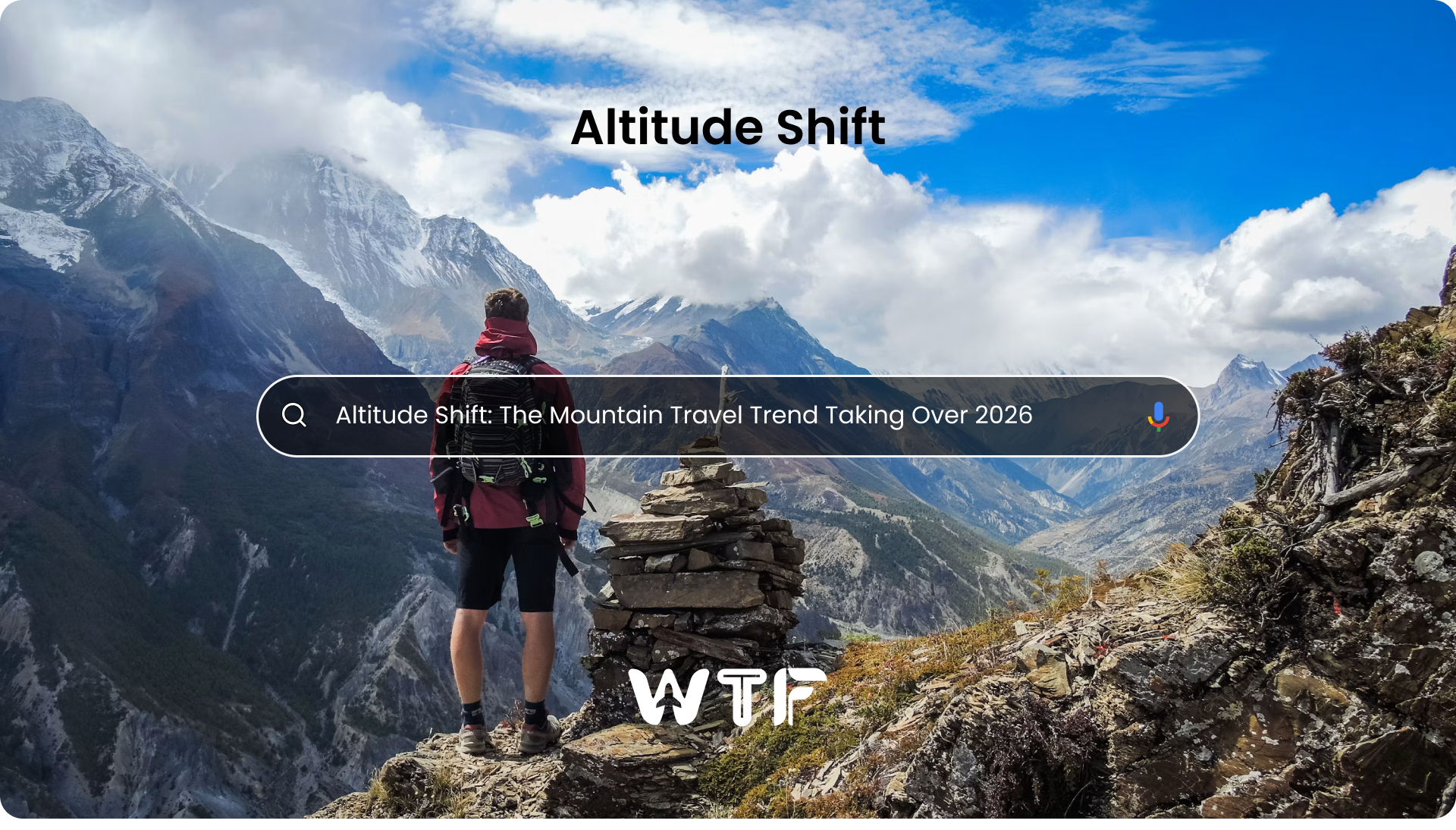

Something shifted this year. September used to be the month you traveled because you had no choice — kids back in school, work calendar finally clear, summer prices too painful to stomach in July. Now it’s the month people are choosing on purpose.
Travel body ABTA’s 2026 research found that a quarter of UK travelers are now planning a September holiday abroad, up from 17% just three years ago. The sharpest jump isn’t from retirees with flexible schedules, either — it’s 18-to-24-year-olds, whose September travel intent climbed from 11% to 17% in the same stretch. In the US, Deloitte’s 2026 summer travel survey found trips taken after Labor Day have grown from 12% of summer travel in 2022 to 20% this year. Industry writers have started calling it “Super September,” and for once, the nickname earns its keep.
If your feed hasn’t caught on yet, it will by next week. So here’s the real question: why is this happening, and where should you actually go?
Why September Beat Out Every Other Month
Three things are colliding at once, and none of them are hype.
The heat finally broke people’s patience. Summers across the Mediterranean, Southeast Asia, and the American Southwest have gotten brutal enough that “sun-drenched” stopped being a selling point on its own. Travelers are chasing comfortable temperatures over guaranteed sunshine, and September delivers both in most of the Northern Hemisphere.
Prices actually drop, not just marginally. With school back in session and the loudest crowds gone home, flights and hotels reset to shoulder-season rates almost overnight. The U.S. Travel Association has tracked airfares down roughly 6.6% and hotel prices down close to 2% compared to peak summer.
Everyone’s chasing the “empty postcard” version of a place. Call it de-influencing, call it burnout with overtourism — travelers increasingly want the photo without fifty strangers in the frame. September is the month that still delivers warm weather and open attractions, minus the July version of a destination where you’re queuing for two hours to see anything.
Put together, you get a month that’s cheaper, cooler, quieter, and somehow still fully open for business. That combination almost never happens in travel. It’s happening now.
Six Places Where September 2026 Actually Makes the Difference
Not every destination benefits equally from the shift. These six do — either because their peak season is genuinely miserable, or because September unlocks something the rest of the year doesn’t.
Tokyo and Kyoto, Japan
Japan pulled in around 15% more overseas visitors this past September than the year before, and it’s not hard to see why. Summer humidity in Tokyo is punishing, but by September it starts to lift, leaving warm, walkable days without the sticky air. You’ll beat the cherry-blossom crowds by six months and the peak-autumn-foliage crowds by about six weeks, which puts you in that narrow window where Senso-ji and Fushimi Inari are actually pleasant to visit rather than a shuffle-forward experience.
Tahiti and French Polynesia
Most people write off French Polynesia the second “shoulder season” comes up, assuming it means worse weather. It doesn’t. September sits in Tahiti’s dry season — daytime temperatures around 80°F, cooler nights, essentially no rain — while hotel rates and flight prices ease off their July–August peak. It’s the version of a South Pacific trip people usually pay double for.
Paris, France
August empties Paris of Parisians. September brings them back, along with the cafés, the markets, and the version of the city that doesn’t feel like a theme park built for tourists. The Louvre and the Eiffel Tower still draw lines, but nothing close to peak-summer waits, and the light in early autumn is arguably the best the city gets all year.
The Dolomites, Italy
If you’ve scrolled past photos of the Tre Cime di Lavaredo towers and assumed you’d need to fight crowds for that view, September changes the math. It’s one of the driest months in the range, the summer hiking rush has thinned out, and the first hints of autumn color start creeping into the valleys by late in the month.
Thailand (Bangkok, Phuket, Chiang Mai)
September technically falls in Thailand’s “green season,” which sounds like a warning but really means lower prices, lusher landscapes, and noticeably thinner crowds at temples and beaches alike. Flights and resort rates drop meaningfully compared to the December–February peak, and for many passport holders, entry requirements stay simple.
Vietnam, End to End
Vietnam doesn’t have one shoulder season — its climate shifts by region — but September and October are the closest thing to a nationwide sweet spot, with the wet season easing in the south and pleasant, mild conditions settling into the north.
How to Actually Book a Super September Trip
- Book flights 6–8 weeks out, not last-minute. Shoulder season pricing is good, but it still creeps up as the month gets closer, especially for anything post-Labor Day when demand is climbing fastest.
- Check specific destination rain patterns before you lock dates. “Shoulder season” is a regional label, not a universal calendar — Thailand’s green season and Japan’s early autumn are not interchangeable weather-wise.
- Pack for a temperature swing. Most Northern Hemisphere destinations run 10–15 degrees cooler by month’s end than at the start, especially in the evenings.
- Don’t assume every attraction runs full summer hours. Some seasonal boat tours, beach clubs, and mountain lifts start winding down mid-September — confirm before you build a day around one.
Frequently Asked Questions
Yes. It combines shoulder-season pricing, thinner crowds, and comfortable weather across most of the Northern Hemisphere, which is a rare combination — most months only deliver one or two of those three.
A mix of hotter, more crowded summers pushing travelers to shift their trips, genuinely lower prices once schools are back in session, and rising demand for quieter, less-crowded versions of popular destinations.
Thailand and Vietnam offer some of the steepest seasonal price drops, since September falls in their green or off-peak season. Southern Europe (Dolomites, inland Italy) also sees meaningful rate drops once August ends.
In places like Tahiti and Phuket, yes — daytime temperatures stay firmly in beach-vacation territory. In the Mediterranean, expect warm days but cooler evenings than peak summer.