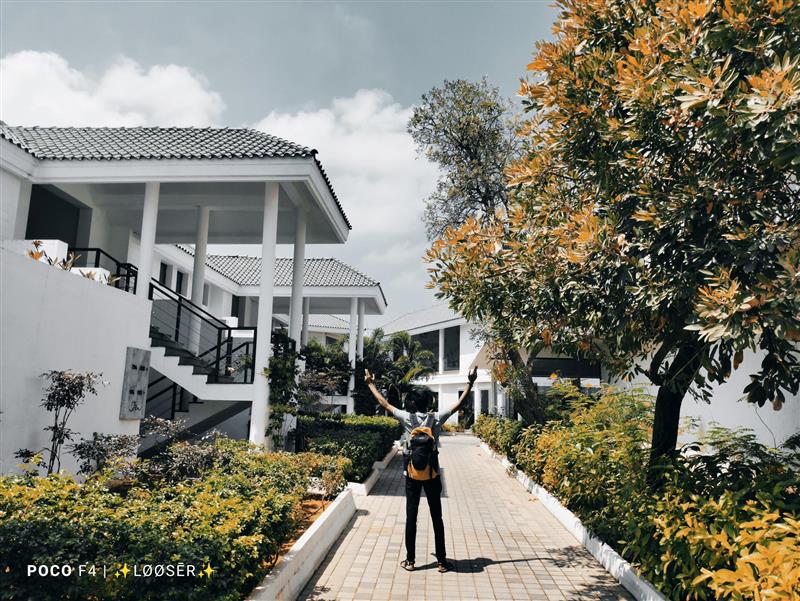

January is the month when travel feels effortless, and Sri Lanka is one of those rare places where everything simply works. While much of the world is stuck in winter, Sri Lanka wakes up to warm mornings, blue skies, calm seas, and misty hills that feel made for slow travel. For backpackers, January isn’t just a good time to visit — it’s when the island feels most alive, welcoming, and easy to explore.
This guide is written for travelers who move slowly, carry their lives in backpacks, and care more about experiences than checklists. It’s about what Sri Lanka in January actually feels like on the road.
Why January Is the Best Month to Backpack Sri Lanka
January sits perfectly between extremes. The weather is dry without being harsh, warm without being exhausting, and stable enough that plans rarely fall apart. You can walk for hours without feeling drained, climb ancient sites early in the morning without oppressive heat, and sit on trains with open doors watching landscapes roll by.
For backpackers, this balance changes everything. Hostels are social but not chaotic, buses and trains run smoothly, and the country feels safe and navigable even for first-time solo travelers. January is also when Sri Lanka’s south and west coasts are at their calmest, making swimming, snorkeling, and beach days genuinely enjoyable rather than weather-dependent.
First Arrival: What Backpackers Feel When They Land
Most backpackers arrive in Colombo, and while the city itself isn’t the highlight of the trip, it’s a gentle introduction to Sri Lanka. Compared to other parts of South Asia, the chaos feels softer, the pace more manageable, and the people quietly helpful.
What surprises most travelers is how quickly Sri Lanka changes. Within a few hours, city streets turn into palm-lined beaches or jungle roads. January’s clear weather makes this transition even smoother, and many backpackers find themselves leaving Colombo almost immediately, eager to see what lies beyond.
Life on the South Coast in January
The south coast is where many backpackers begin to slow down without meaning to. Towns like Mirissa, Unawatuna, and Hikkaduwa offer an easy rhythm that’s hard to resist. January brings bright days, gentle waves, and long sunsets that seem to stretch time.
Mornings often start early, sometimes before sunrise for whale-watching trips, other times just for a quiet walk along the sand. Afternoons disappear between cafés, swims, and conversations with travelers who arrived yesterday and might leave next week — or never. Evenings are relaxed, social, and unforced.
What makes the south coast special in January isn’t just the weather. It’s the feeling that you don’t need to rush anywhere.
Heading Inland: Ancient Landscapes and Quiet Mornings
Leaving the coast and moving inland feels like entering a different version of the island. The air cools, the roads open up, and the landscape becomes wide and green. The cultural heart of the country reveals itself most clearly around Sigiriya.
January mornings here are ideal. The temperatures are cooler, the paths are dry, and the views from the top of Sigiriya stretch endlessly across forest and farmland. The climb feels challenging but rewarding rather than exhausting. Nearby villages move slowly, and evenings are quiet, often spent sharing simple meals in family-run guesthouses.
This part of Sri Lanka feels deeply rooted in history, and January allows backpackers to experience it without physical discomfort or crowds becoming overwhelming.
Ella and the Hill Country: Where Backpackers Lose Track of Time
If there’s one place where backpackers accidentally stay longer than planned, it’s Ella. Reaching it usually involves the famous train journey through tea plantations and mountain valleys — a journey that feels more like an experience than transportation.
January delivers some of the clearest views of the year. Hills roll endlessly, waterfalls cut through thick greenery, and mist hangs low in the mornings before lifting slowly. Days in Ella are simple. Short hikes, relaxed meals, long conversations, and evenings spent watching clouds drift through the valley.
Ella has a way of slowing people down. It’s active without being demanding and social without being noisy. For backpackers, it often becomes the emotional center of the trip.
Wildlife Encounters That Still Feel Accessible
Many backpackers don’t expect Sri Lanka to offer strong wildlife experiences, but January often changes that perception. Dry conditions increase animal sightings, especially in Yala National Park.
Early morning safaris reveal elephants crossing dusty tracks, birds filling the air with sound, and, if luck is on your side, leopards moving quietly through the landscape. What makes this accessible for backpackers is that it doesn’t require luxury lodges or high budgets. Shared safaris and simple accommodation make wildlife experiences achievable even for those traveling long-term.
Galle Fort: A Place to Slow Down and Reflect
After days of movement, Galle Fort offers a different kind of travel experience. It’s not about adventure or sightseeing intensity. It’s about walking slowly, sitting by the sea, and letting the journey settle.
January evenings inside the fort are warm and calm. Backpackers gather along the ramparts at sunset, often in silence, watching waves crash against centuries-old stone walls. Galle feels reflective — a place where many travelers pause, write, and think about where they’ve been and where they’re going next.
What Backpacking Sri Lanka in January Really Costs
Even during peak season, Sri Lanka remains one of the most budget-friendly destinations in the region. Guesthouses and hostels are affordable, local transport costs very little, and food is both cheap and filling.
Backpackers can travel comfortably on a modest daily budget, with occasional splurges for experiences like safaris or scenic train routes. Eating local keeps costs low and experiences authentic. Meals are generous, flavorful, and often shared with other travelers or locals.
Food, Conversations, and Everyday Encounters
Food in Sri Lanka is inseparable from daily life. Rice and curry tastes different in every home, kottu roti fills streets with sound at night, and fresh fruit appears everywhere. Meals often turn into conversations, and conversations often turn into invitations.
January’s easy pace allows space for these moments. Guesthouse owners sit and talk. Strangers help without expecting anything back. Travel feels human again.
Solo Backpacking, Safety, and Comfort
Sri Lanka is one of the easiest countries in Asia for solo backpackers, and January adds an extra layer of comfort. Tourism is active, transport is reliable, and fellow travelers are everywhere without the country feeling overcrowded.
Basic awareness goes a long way. Respect local customs, dress modestly in temples, and trust your instincts. Many backpackers arrive cautious and leave confident.
Why Sri Lanka in January Works So Well on Google Discover
Stories like this perform well because they aren’t rushed. They’re seasonal but timeless, emotional but practical. Readers don’t skim — they read, save, and share. January adds freshness, while the backpacker perspective keeps the story relatable.
That combination is exactly what Google Discover favors.
Final Thoughts: Why Backpackers Keep Coming Back
Sri Lanka in January doesn’t try to impress loudly. It simply offers space — to explore, to rest, to connect, and to wander without pressure. It gives warmth when the world feels cold and simplicity when life feels noisy.
That’s why so many backpackers come for a short trip and leave with memories that stay long after they’ve moved on.