
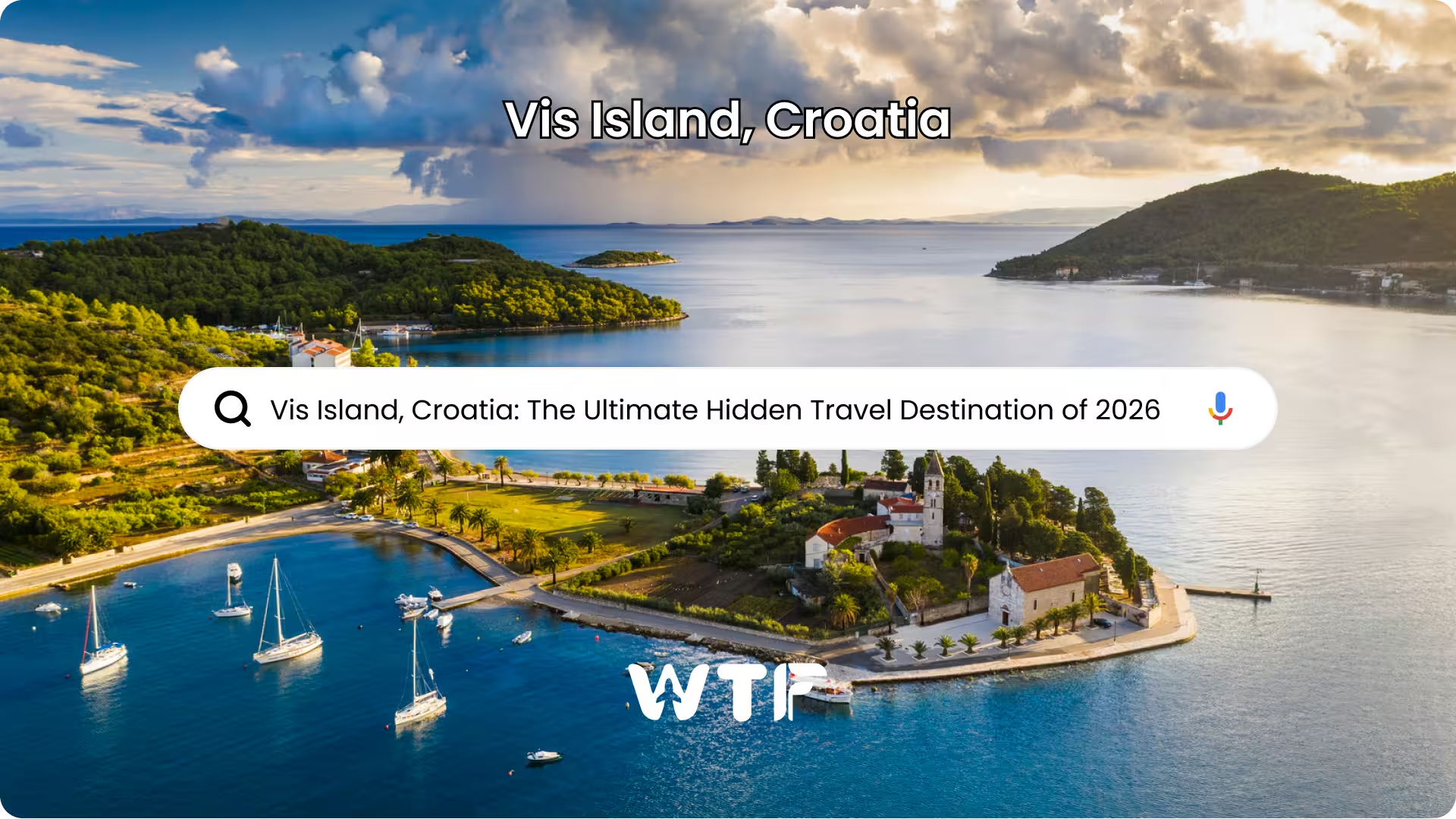
In 2026, global travel behavior has shifted dramatically. Travelers are no longer chasing famous landmarks alone; instead, they are searching for hidden world locations, undiscovered travel destinations, and authentic cultural experiences that feel meaningful and personal. One destination quietly dominating travel trend reports, search queries, and word-of-mouth recommendations is Vis Island, Croatia.
Vis Island is not new — but until recently, it was invisible to mass tourism. While cities like Paris, Rome, and Barcelona struggle with overcrowding, Vis represents a new generation of travel: peaceful, sustainable, budget-friendly, and emotionally rewarding. This island is trending in 2026 because it delivers what modern travelers crave most — privacy, purity, and authenticity.
This pillar guide is designed to be the most comprehensive resource online for Vis Island. Whether you are researching hidden European destinations, planning a budget Mediterranean vacation, or building an SEO travel website, this article covers everything in depth — from history and culture to transport, costs, food, stay, communication, itineraries, and hidden experiences.
The Historical Legacy of Vis Island: How Isolation Created a Timeless Destination
Vis Island’s history stretches back more than 2,400 years, making it one of the oldest continuously inhabited islands in the Adriatic Sea. Originally founded by ancient Greek settlers in the 4th century BC, the island was known as Issa, an important maritime and trading center.
Roman rule followed, leaving behind archaeological remains such as villas, baths, and stone roads that still surface across the island today. Later, Venetian and Austro-Hungarian influences shaped Vis’s architecture, fortifications, and agricultural practices — particularly winemaking and olive cultivation.
However, what truly defines Vis is its 20th-century military history. After World War II, Vis became a strategic naval base under Yugoslav control. For decades, the island was closed to foreign visitors, heavily fortified with underground tunnels, bunkers, and military zones.
This forced isolation unintentionally saved Vis from the destructive wave of mass tourism that transformed much of the Mediterranean. No mega-resorts were built. No cruise ship ports were developed. The coastline remained untouched. Villages stayed small, local, and deeply connected to tradition.
Today, travelers interested in hidden historical destinations, Cold War heritage, and authentic European culture find Vis uniquely compelling — a place where history preserved beauty rather than erasing it.
What Makes Vis Island Special Compared to Other Mediterranean Islands
Vis Island stands apart from other Mediterranean destinations because it never tried to compete. Instead of nightlife tourism and luxury branding, Vis focused on preservation and simplicity.
The beaches of Vis are wild rather than manicured. Stiniva Beach, framed by towering limestone cliffs, consistently ranks among Europe’s most beautiful beaches — not because of facilities, but because of its raw natural drama. Silver Beach (Srebrna) and Zaglav Beach offer crystal-clear waters without crowds, even during peak summer.
One of the island’s most famous attractions is the Blue Cave, located on nearby Biševo Island. When sunlight reflects inside the cave, the water glows an intense neon blue — a natural phenomenon that has become one of Croatia’s most iconic sights.
Beyond landscapes, Vis is deeply authentic. Fishing is still a daily livelihood. Wine is still made using traditional methods. Meals are prepared using family recipes passed down through generations. Travelers seeking slow travel, eco-tourism, and local immersion find Vis perfectly aligned with their values.
How to Get to Vis Island: Flights, Ferries, and Travel Planning
Vis Island has no airport — and that is one of its greatest strengths. The lack of direct flights prevents over-tourism and ensures the island remains peaceful.
Most international travelers arrive via Split, Croatia’s major coastal hub. Split International Airport is well connected to Europe, the Middle East, and seasonal long-haul routes.
From Split, travelers take a ferry or high-speed catamaran to Vis Island. The journey takes approximately two to two and a half hours, offering scenic views of the Adriatic Sea. Ferries operate year-round, with increased frequency during summer.
This extra travel step filters visitors naturally, ensuring Vis attracts travelers who value experience over convenience — a key reason it remains one of Europe’s best hidden destinations.
Internal Transportation on Vis Island: Getting Around Easily and Cheaply
Vis Island is compact, making internal transportation simple and affordable. There are no highways or long distances — most locations are reachable within 30 minutes.
Local buses run between Vis Town and Komiža village, connecting the island’s main settlements. Scooter rentals are popular and cost-effective, especially for exploring beaches and inland vineyards. Bicycles are ideal for short distances and scenic rides through olive groves.
Walking is often the best way to explore Vis. Many hidden coves, viewpoints, and historic paths are accessible only on foot — rewarding travelers who enjoy exploration and discovery.
Food on Vis Island: Authentic Croatian Cuisine on a Budget
Food is one of Vis Island’s strongest attractions. Unlike tourist-driven destinations, meals here are not overpriced or mass-produced. Instead, Vis offers honest, seasonal, and locally sourced cuisine.
Traditional konobas serve grilled fish caught the same morning, black risotto made with cuttlefish ink, octopus slow-cooked under iron lids, and fresh vegetables grown inland. Bread is baked daily, olive oil is locally pressed, and wine is produced from indigenous grape varieties.
Budget travelers can eat exceptionally well on Vis. Bakeries, markets, and small eateries provide filling meals at reasonable prices. Cooking in apartment kitchens further reduces costs without sacrificing quality.
Vis is ideal for travelers searching for affordable food destinations in Europe, local culinary experiences, and authentic Mediterranean cuisine.
Where to Stay on Vis Island: Budget, Mid-Range, and Local Stays
Accommodation on Vis Island reflects its personality: small-scale, family-run, and welcoming. Instead of large resorts, travelers stay in apartments, guesthouses, and homestays.
Budget travelers can find clean, comfortable apartments with kitchens and balconies at prices far lower than other Croatian islands. Mid-range travelers enjoy sea-view stays with local hosts who share insider tips, hidden beaches, and island stories.
Staying with locals is part of the Vis experience. Hospitality here is personal, not transactional — a major reason visitors return year after year.
SIM Cards, Internet, and Communication on Vis Island
Croatia has excellent mobile infrastructure, and Vis Island is no exception. 4G coverage is reliable across towns and most beaches.
Travelers can purchase prepaid SIM cards at Split Airport or in Vis Town. EU visitors benefit from roaming agreements, while international travelers can choose affordable data plans.
With stable connectivity and peaceful surroundings, Vis is increasingly popular among digital nomads, remote workers, and long-stay travelers.
Hidden Things to Do on Vis Island (Beyond Tourist Attractions)
Vis rewards travelers who slow down. Exploring abandoned military tunnels carved into hillsides reveals the island’s Cold War past. Hiking to Mount Hum offers panoramic views over the Adriatic Sea. Kayaking along rugged cliffs uncovers hidden beaches unreachable by land.
Komiža village, with its colorful boats and quiet evenings, showcases traditional island life unchanged by modern tourism. Visiting local vineyards, chatting with fishermen, and watching sunsets from stone terraces become unforgettable moments.
Vis is not about ticking attractions — it is about presence, connection, and discovery.
Best Time to Visit Vis Island in 2026
The best time to visit Vis Island is from May to June and September to October. During these months, the weather is warm, the sea is calm, and crowds are minimal.
July and August bring higher temperatures and more visitors, but Vis remains quieter than most Mediterranean islands. Winter offers solitude and authenticity, ideal for writers, creatives, and long-stay travelers.
Wanderer’s Word
Vis Island represents the future of travel — where authenticity matters more than hype, and experience matters more than luxury. It is affordable without being cheap, beautiful without being crowded, and historic without being commercialized.
For travelers searching for hidden travel destinations in 2026, underrated European islands, budget Mediterranean escapes, or slow travel experiences, Vis Island stands unmatched.